
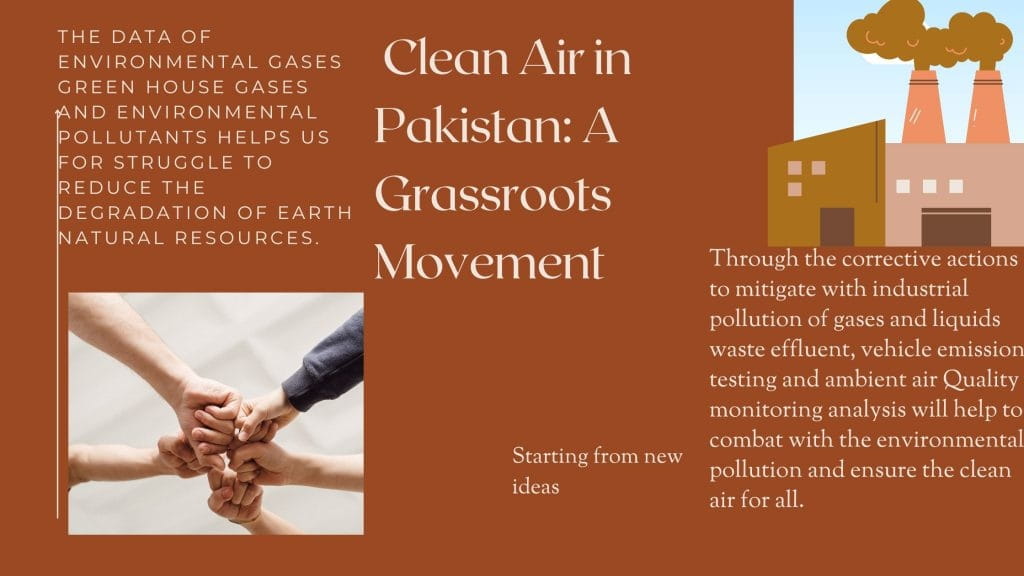
Air Pollution in Pakistan
In the face of escalating air pollution in Pakistan, citizens have taken matters into their hands, spearheading a grassroots movement for clean air. With the government’s apparent inaction, these impassioned individuals have become the driving force behind the fight for breathable air in the country. The most polluted cities, based on measured data, are Dhaka, Bangladesh, with an AQI of 294; Delhi, India, with an AQI of 244; Kolkata, India, with an AQI of 218; Lahore, Pakistan, with an AQI of 193; Shenyang, China, with an AQI of 176; Hangzhou, China, with an AQI of 171; and Karachi, with an AQI of 169, which includes 89.5 micrograms of PM 2.5 per cubic meter on April 1, 2024, making it 17.9 times worse than the WHO’s. The air pollution level of Karachi is unhealthy. IQAir provides this data.
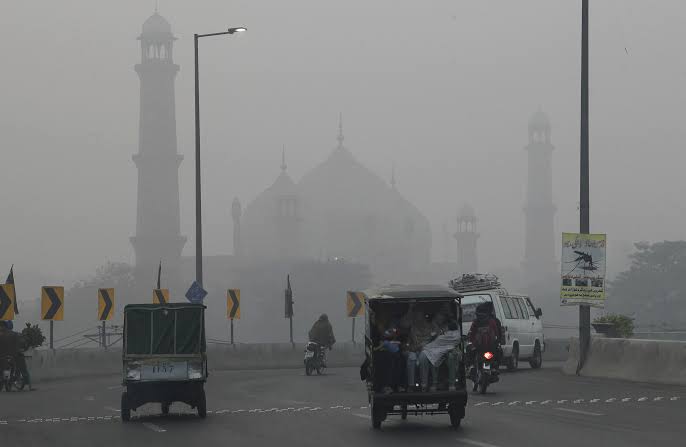
Urgency of the Situation for Air Pollution in Pakistan
Pakistan, like many other nations, is grappling with severe air pollution, posing significant threats to public health. The lack of decisive government action has compelled citizens to unite and address this pressing issue themselves. Furthermore, corrective actions to mitigate industrial pollution from gases and liquid waste effluent, vehicle emissions testing, and ambient air quality monitoring are being implemented. In fact, the analysis will help combat environmental pollution and ensure clean air for all in Lahore and Karachi, Pakistan.
The Birth of a Movement for Clean Air
Frustrated by the deteriorating air quality and alarmed by the consequences on health and the environment, concerned citizens initiated the “Fighting for Clean Air Pakistan” movement. While this organic, community-driven initiative seeks to raise awareness, advocate for policy changes, and implement practical solutions to combat air pollution. The data on environmental gases, greenhouse gases, and environmental pollutants help us struggle to reduce the degradation of earth’s natural resources.
Challenges Faced for Clean Air: Air Pollution in Pakistan
The citizen-led movement encounters numerous challenges, including limited resources, bureaucratic hurdles, and resistance from industries contributing to pollution. Despite these obstacles, the movement persists, fueled by the shared determination to safeguard the well-being of the people and the environment. Hence, these challenges are faced by environmental specialists for the awareness of the protection of the earth’s natural systems among industrial units, businessmen, transporters, and the public.
Strategies Employed to Control Air Pollution in Pakistan
To make a meaningful impact, the movement employs a multifaceted approach. This includes organizing awareness campaigns, collaborating with environmental experts, and engaging in peaceful protests to garner public attention and pressure the government into action. Although the awareness is through advertisement, campaigns, public programs, and continuous analysis and monitoring of the environment data for pollutants and greenhouse gases (GHGs). Although the data is shared publicly to inform everyone of the information and reduce some bad practices.
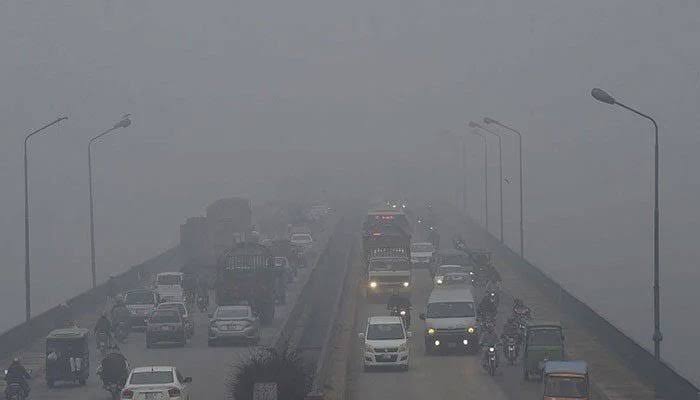
Community Engagement Against Air Quality
One of the movement’s strengths lies in its ability to engage communities at the grassroots level. Through workshops, seminars, and social media campaigns, citizens will be empowered with knowledge. That may reduce the causes and effects of air pollution, fostering a collective sense of responsibility. However, the safe environmental practices should be applied for the betterment of the environment. While reducing the anthropogenic effects that affect our beautiful Earth’s climate.
Role of Media Amplification for Air Pollution in Pakistan
Harnessing the power of media, the movement strategically utilizes traditional and digital platforms to amplify its message. By sharing stories of individuals affected by pollution and highlighting success stories from other parts of the world. Because the Clean Air movement aims to inspire change and build a broader coalition of supporters. The affected cities and their stories, effects, and long-term climate control processes should be shown to the public.
The Road Ahead
As the citizens continue to press for clean air, the movement faces an uphill battle. However, it remains a beacon of hope, showcasing the impact a dedicated group of individuals can have in the absence of immediate action by authorities. The challenge now is to sustain and grow the momentum. That may influence policy changes and ensure a healthier, cleaner future for all Pakistanis. For these plans, all the pollution makers should be priorly informed, and then action should be taken against them. Every element of pollution should analyze and share the data of environmental gases and liquid effluent.
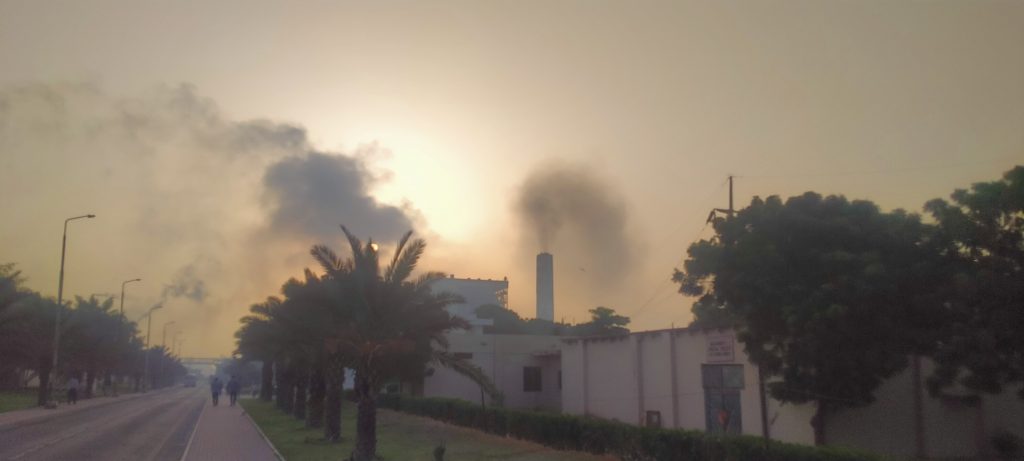
Clean Air Quality and Safe Environment
The “Fighting for Clean Air Pakistan” movement exemplifies the power of citizens united by a common cause. In the absence of robust government action, these individuals have become the driving force for change. While demonstrating that collective action can indeed make a difference in the fight against air pollution. A clean air plan for the country should have these steps to analyze environmental gas data. That their effects, air quality index, and pollution by each sector.
However, the road vehicle emissions contribute 30-40% of the pollution. The air pollution is caused by vehicular emissions and roadside dust particles in the environment. Thus, the second largest contributors are industrial units, brick stacks, liquid effluent from industries, and mainly municipal waste. As well as the liquid effluent affecting the coastal environment, vehicle emissions and industrial stack emission gases affect the air quality of Pakistan. From the data, we have some contribution to pollution only in the sense of air. While the analysis of wastewater effluent results also shows the remarkable contribution to water and soil pollution.