
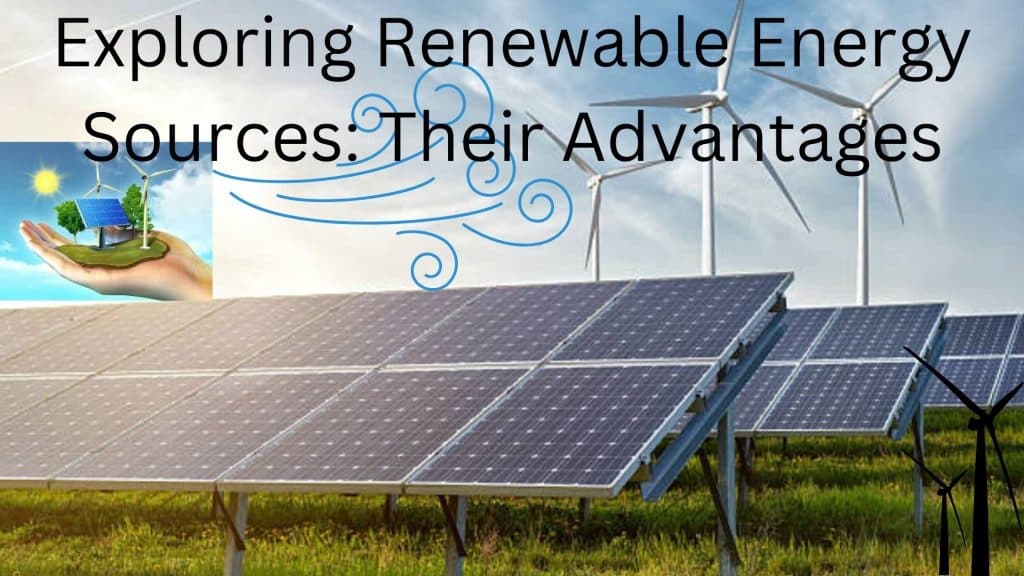

Renewable energy is energy derived from natural sources that are replenished at a higher rate than they are consumed. Sunlight and wind, for example, are such sources that are constantly being replenished. Renewable energy sources are in huge amount and all around us.
Fossil fuels – coal, oil and gas – on the other hand, are non-renewable resources that take hundreds of millions of years to form to ready for use. Fossil fuels, when burned to produce energy, cause harmful greenhouse gas emissions. Such as carbon dioxide, methane, Nitrous oxide and water vapor.
Renewable energy creates far lower emissions than burning fossil fuels. Shifting from fossil fuels, which currently account for the highest share of emissions, to renewable energy is key to addressing the climate crisis.
Transitioning to renewable energy is of paramount importance in our current era.
Environmental Sustainability by Energy Sources
The burning of fossil fuels for energy has led to escalating greenhouse gas emissions, contributing significantly to climate change. Transitioning to renewable energy sources helps reduce these emissions. While mitigating the adverse effects of global warming, such as rising temperatures, extreme weather events, and sea-level rise. Coal power plant produce carbon dioxide 2.2 pounds per kilowatt hour of electricity.
Resource Conservation of Energy Sources
Fossil fuels are finite resources, and their extraction and consumption have led to resource depletion and geopolitical conflicts. While uses higher cost, area, pipeline, operation cost, and large machinery. Renewable energy sources, on the other hand, are abundant and can be harnessed locally. Therefore reducing our dependence on fossil fuels, enhancing energy security, lower machinery, no pipeline, and lower operation cost.
Improved Air Quality by Energy Sources
The combustion of fossil fuels releases harmful pollutants into the atmosphere, leading to air pollution, water pollution, noise pollution it’s and adverse health effects. Shifting to renewable energy reduces air pollution, resulting in cleaner and healthier environments for communities. By using renewable energy sources green house gases can be reduced.
Economic Opportunities
The renewable energy sector fosters job creation and economic growth. It offers opportunities for innovation, research, and development, as well as investments in infrastructure and technology. It has higher investment in start but it will cover the budget on coming years as saving.
Energy Sources Access Wind Power
Wind power harnesses the kinetic energy of moving air to generate electricity, serving as a clean and renewable energy source. Modern wind turbines convert wind energy into electricity efficiently, with onshore wind farms often proving more cost-effective than new coal or gas plants. The global installed capacity of wind power reached approximately 1,017.2 GW in 2023, accounting for about 7.8% of global electricity generation. While wind energy is variable, advancements in forecasting and grid integration are improving its reliability. Additionally, floating wind turbines are being develop to access deeper offshore wind resources, offering significant potential for future energy production. Overall, wind power plays a crucial role in reducing greenhouse gas emissions and transitioning to sustainable energy systems.
Renewable energy can bring electricity to remote or under served regions, improving energy access and quality of life for millions of people around the world who currently lack reliable power sources. Renewable energy sources for every one in the region, it is the only way to reduce carbon emission.
Energy Independence
Reducing reliance on imported fossil fuels enhances a nation’s energy security, reducing vulnerability to supply disruptions and price fluctuations. This methods can produce large amount of electricity to remote area where usual electricity can’t be provided because of line cost.
Technological Advancements
The transition to renewable energy encourages advancements in energy technology, leading to increased efficiency, cost reductions, and the development of energy storage solutions.
Transitioning to renewable energy sources is crucial for mitigating climate change, conserving finite resources, improving air quality, stimulating economic growth reduces environmental pollution, and ensuring a sustainable and secure energy future. It represents a fundamental step toward addressing some of the most pressing challenges of our time.
If we can create or find another earth for our lives then how can we can’t save this planet for lives sustainability.